Louis Langdown: Why public humiliation of a young analyst should worry us all
Written by
Louis Langdown
May 20, 2026
There is much about the reporting of the Spygate story that does not sit right with me.
Not the rule breaking itself, which had to be reported. What I’ve found unsettling is the way the story has evolved from exposing wrongdoing into publicly humiliating an aspiring young analyst.

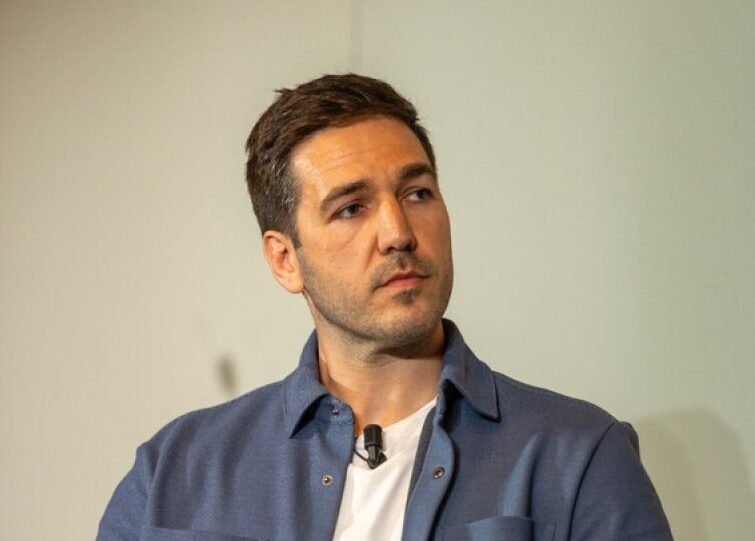
Louis Langdown is a Senior Lecturer in Sports Performance Analysis at the University of Chichester. Starting as a Performance Analyst at Crystal Palace in 2004, he became Head of Sport Science. Louis has also worked with Southampton, AFC Bournemouth, Portsmouth and more. He is an Executive Officer for The Association of Sports Performance Analysts.
Full name, photos and even bank transactions have been disclosed, along with the resultant memes and social media pile-on.
The young man will likely carry this forever. Future employers will see the screenshots, search results and ridicule. So too will his colleagues, friends and family.
Duty of care should not extend only to someone who is personally familiar to you, it should extend to everyone. It feels very much like this young person has been thrown into the centre of a media storm and potentially exposed in ways that raise serious questions around privacy, proportionality and GDPR.
I sincerely hope he is being properly looked after right now, because the scale of public scrutiny he has faced would be overwhelming for anyone, let alone somebody trying to build a career in the game.
Football talks endlessly about wellbeing, safeguarding and duty of care. Where is that now? If we are being honest, football culture conditions young practitioners to overstep boundaries in pursuit of opportunity.
We tell them to “go above and beyond”. We teach them to impress. We tell them to stay late, say yes, and make themselves indispensable.
Football is built on hierarchy, ambition and the fear of missing your chance. I understand that world because I have lived it myself. Twenty years ago, I slept in my car for three months because I could not afford to live in London on less than minimum wage while chasing a career in football.
Like so many young people entering football, I would do whatever was asked of me because I believed that was the price of making it.
Louis Langdown
I know exactly what it feels like to cling to the dream so tightly that every sacrifice feels justified. And the honest truth?
Back then, I absolutely could have been exploited. Like so many young people entering football, I would do whatever was asked of me because I believed that was the price of making it.
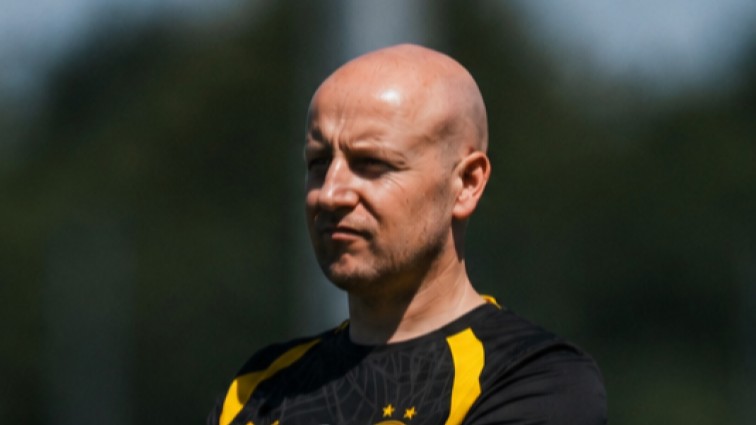
This is why the wider context matters. Southampton manager Tonda Eckert, who began his own career as an analyst in his native Germany, has reportedly admitted to authorising multiple spying missions, with suggestions that similar practices also took place during his time in the Bundesliga.
Young aspiring analysts do not operate in isolation. They operate inside systems shaped by senior figures, power dynamics and the fear of missing their opportunity.
That is why football urgently needs stronger ethical education, proper codes of conduct and genuine support structures for emerging analysts entering elite environments. Having assessed many emerging Tier 1 and Tier 2 analysts (entry point on their applied professional pathway) on behalf of the Association of Sports Performance Analysts (ASPA), I am acutely aware of how little knowledge and understanding developing analysts often have around codes of conduct, ethical practice, confidentiality and professional behaviour.
That is not entirely their fault. The game has professionalised tactically far quicker than it has ethically. This is exactly where ASPA can play a vital role for early-career practitioners.
Young analysts need guidance. They need mentorship. They need ethical education.
They need support navigating elite environments where power dynamics and pressure can become overwhelming. Most importantly, they need an independent professional body that advocates for them, protects them and helps establish clearer standards for the industry moving forward.


Because right now, too many young people desperate to build careers in the game they love are being badly let down by the structures around them.
The game needs to do better. None of this excuses mistakes if rules were broken. But accountability and public destruction are not the same thing. Football and media should think carefully about the difference.
- COLUMN ONE (March 2026): The evolution of analysis
- COLUMN TWO (May 2026): Why public humiliation of a young analyst should worry us all
Follow Us
For latest updates, follow us on X at @ground_guru