Scott Rogers: Lion Mode and how England’s amputee team won Nations League
Written by
Scott Rogers
October 26, 2026
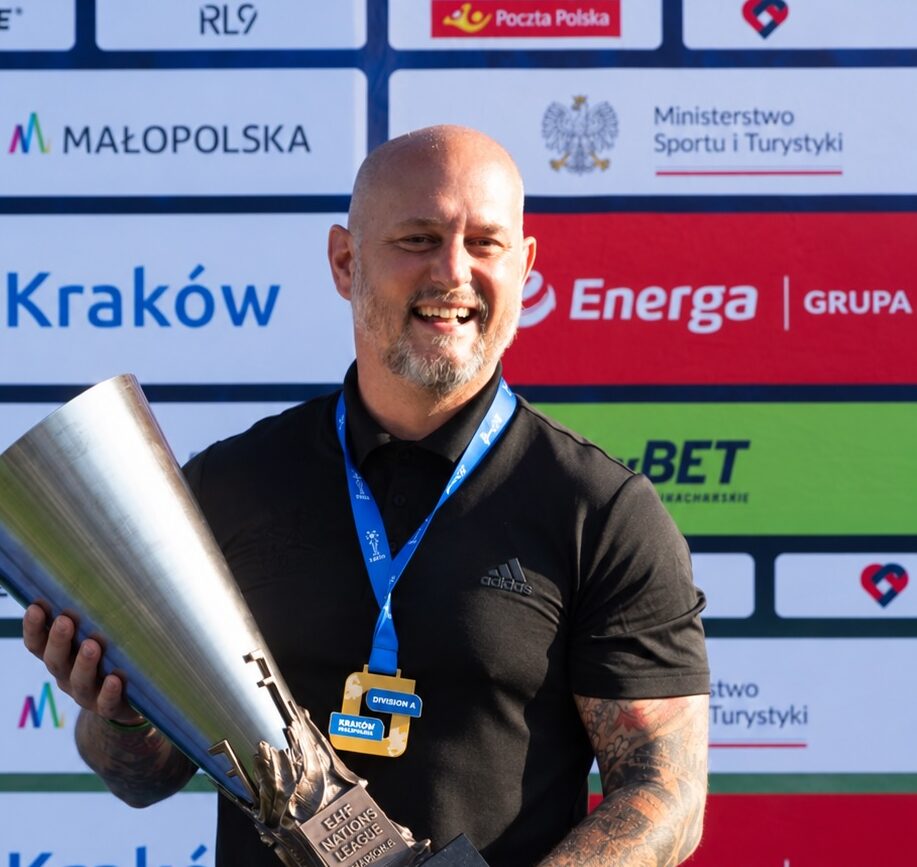
Scott Rogers, who led England’s amputee team to their first major trophy since 1990, will receive the British Empire Medal at an investiture in Liverpool on Tuesday.
“Receiving the BEM is a real honour for both me and my family, but it is also recognition for everyone involved with the England Amputee Football Association, past and present,”Rogers told TGG.
“Over the years I’ve witnessed incredible people give their time and energy to create a first-class environment where amputees and people with limb deficiencies can enjoy the beautiful game. This award belongs to all of them.”
Amputee football is seven-a-side, with outfield players who are leg amputees playing on crutches and goalkeepers who are arm amputees. Games last 50 minutes.
In June 2023, Rogers’ squad of part-time players won the top division of the EAFF Nations League in Krakow, beating world and European champions Turkey, hosts Poland and Spain. Here, he explains how they did it after just one weekend a month together:
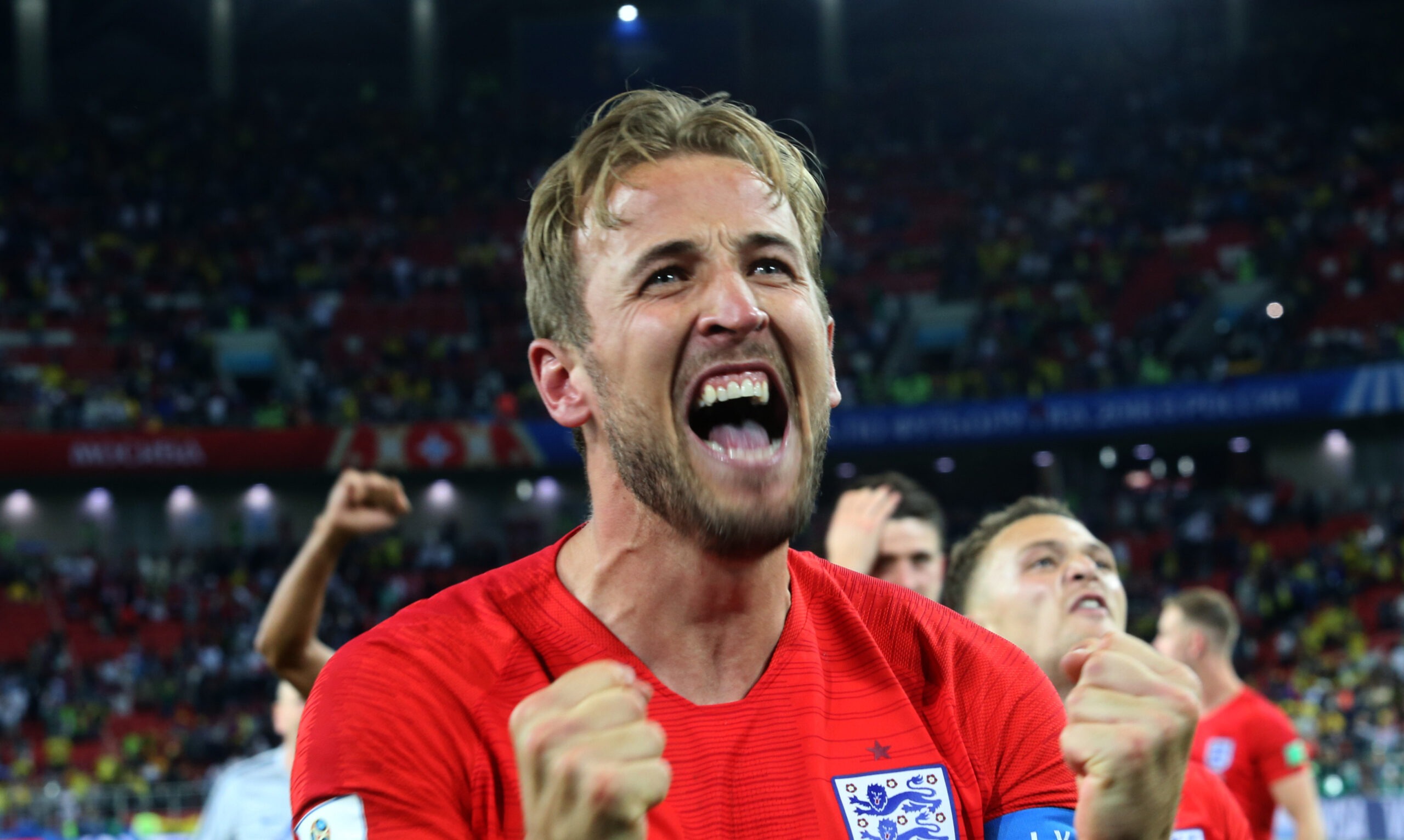
Scott Rogers: Our players have full-time jobs. Our camps ran from Friday to Sunday, once a month, and that was all the contact time we had as a group.
Our staff were volunteers: a doctor, physios, sports therapists, data analysts, a Goalkeeper Coach, technical and Set Piece Coaches, a Performance Psychologist and Strength and Conditioning coaches. All of them gave up their weekends because they believed in what we were building.
I took over as Interim Head Coach in October 2022 and was given the role permanently in early 2023. I wasn’t starting from scratch. My predecessor, Owen Coyle Jr, had started the journey, and he contributed massively to what we went on to achieve.
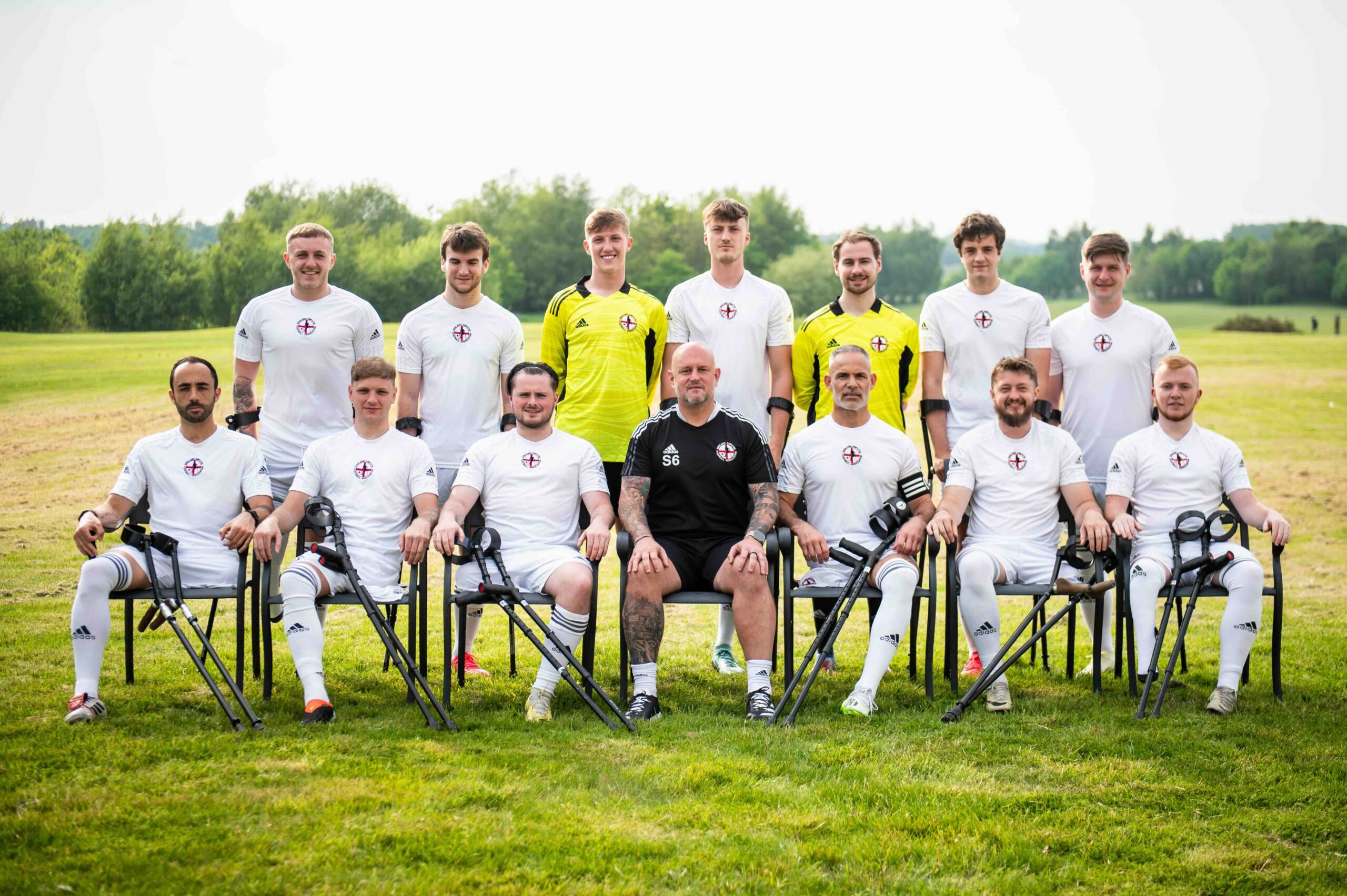
England's amputee team before the tournament in Poland
When I took over, the squad felt fractured. Players were talented and committed, but they weren’t one group. So before we worked on the football, we worked on who we were: togetherness, belonging, trusting the process and understanding why we were doing what we were doing.
That meant some honest conversations. A couple of players moved on and those conversations were positive ones. Not everyone will fit every environment and that’s fine. We also made a clear decision: we would judge ourselves on our process, not on our results.
Nobody should have to pay to pull on an England shirt.
Scott Rogers
Until then, players had been asked to fundraise £1,500 each to represent their country. We scrapped that. The shortfall was made up through further fundraising and sponsorship from the England Amputee Football Association, and after we appeared on ITV’s This Morning, the public really got behind us and helped us reach our target.
Nobody should have to pay to pull on an England shirt. When players later talked about what had changed, that decision came up again and again. It told them they belonged.
With one weekend a month, we couldn’t coach everything. So our camps became about absolute clarity: on our game plans, on who we were and what we did well, on every player’s role, and on how we worked as a collective.
When a team is under pressure, clarity takes much of that pressure away. If every player knows exactly what their job is, there’s less room for panic.
Lion Mode
Early on, we came across an inspirational team video built around the lion. The lion isn’t the fastest animal, the strongest or the biggest, yet it’s king of the jungle. Why? Mentality.
That became our identity. Our two-game plans were named after it: The Lion’s Den, for how we defended our space; and The Hunt, for how we went after opponents. Our standard, on and off the pitch, was Lion Mode.
With players seeing us once a month, much of the real work had to happen at home, and motivating part-time athletes to train alone after a day at work isn’t easy.
You don’t need full-time players or a big budget to build a winning environment.
Scott Rogers
So we turned it into a team game. Every player was asked to complete five strength and conditioning sessions a week, and each completed session added 100 points to a collective team total. If we finished the week over our target, we were in Lion Mode. If we fell short, we were in Gazelle Mode.
It changed everything. Training alone suddenly had a purpose, because you weren’t doing it for yourself, you were doing it for the squad.
Between camps I had a couple of one-to-ones with every player, checking in on their strength and conditioning, their mentality and any questions about expectations, and each player had another with me before every game.
Our Performance Psychologist was always available and so were our data analysts, for anyone who wanted clips of the opposition or of themselves. In some environments that offer can feel like a token gesture, but our players actually used it.
Once the draw was made, our analysts studied every opponent and each camp in the build-up focused on one of them. By the time we travelled, the squad knew the game plan inside out.
The tournament
We arrived in Poland alongside what many saw as Europe’s three best nations:
- Turkey: World and European champions and unbeaten in open play for nine years.
- Poland: All professionals and had won the Amp Futbol Cup, an annual international tournament they host.
- Spain: Reached the previous European Championship final, knocking us out in the quarter-finals. They were our nemesis.
Nobody gave us a chance against Turkey, but we had studied them in detail. Even then, the focus wasn’t on beating them, it was on executing our plan.
Ten minutes in, our captain Dave Tweed put us 1-0 up. In a 50-minute game, we knew that if we got ahead, our defensive organisation could make life very difficult for them. We frustrated them, held on and won 1-0.
What pleased me just as much was what happened away from the pitch. At previous tournaments, players had gone their separate ways in the downtime. This group socialised together, ate together and trained together. That didn’t happen by accident. It came from a staff team working hard to create an environment where it could.
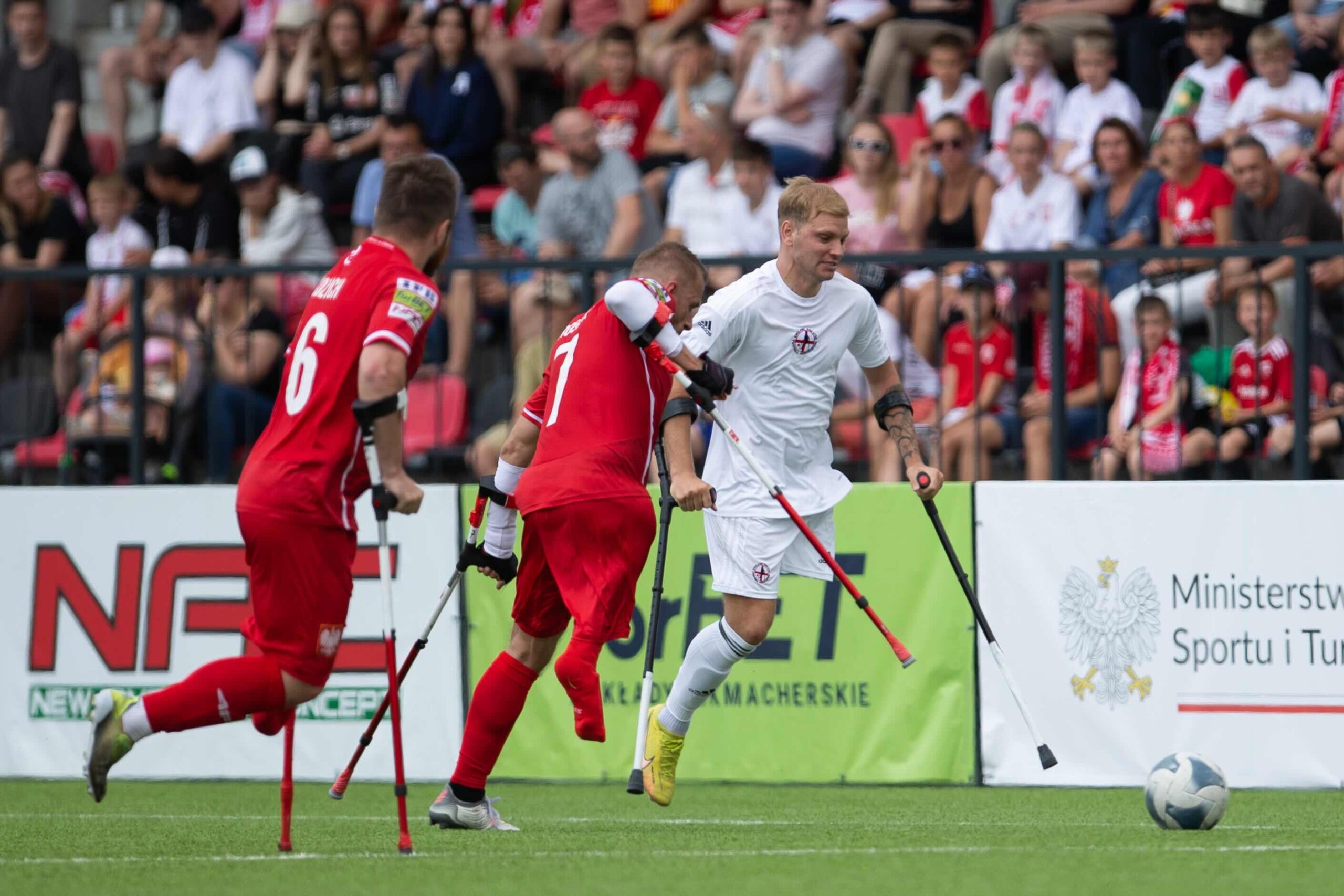
England came from behind to beat hosts Poland
Games against Poland are always tight. They had a new coach and a new approach: stronger players up top as strikers, ball players deeper, play into the front two, bounce it off them and shoot from distance. So we set a screener to cut off the passes into the strikers and it worked a treat.
We switched off once, after about 15 minutes, and went 1-0 down. Typical of this group though, it didn’t rattle them. Rhyce Ramsden equalised from the penalty spot, then Jamie Tregaskiss made an incredible run down the left and crossed for Dave Tweed to score the winner. It finished 2-1 and the momentum was building.
Against Spain, the team that had ended our last tournament, we had to win to lift the trophy.
We controlled the game and the confidence running through the group was remarkable. In the second half we won a penalty and Rhyce Ramsden scored. Again, being ahead let us frustrate them and hit them on the transition.
With about five minutes to go, I brought on Nathan Fisher at the back. Nathan hadn’t played a minute all tournament. With the last kick of the game, Spain broke through and only had to slot it home to make it 1-1. Nathan came from nowhere and blocked it on the line.
Seconds later, the referee blew the final whistle and we’d won the Nations League.
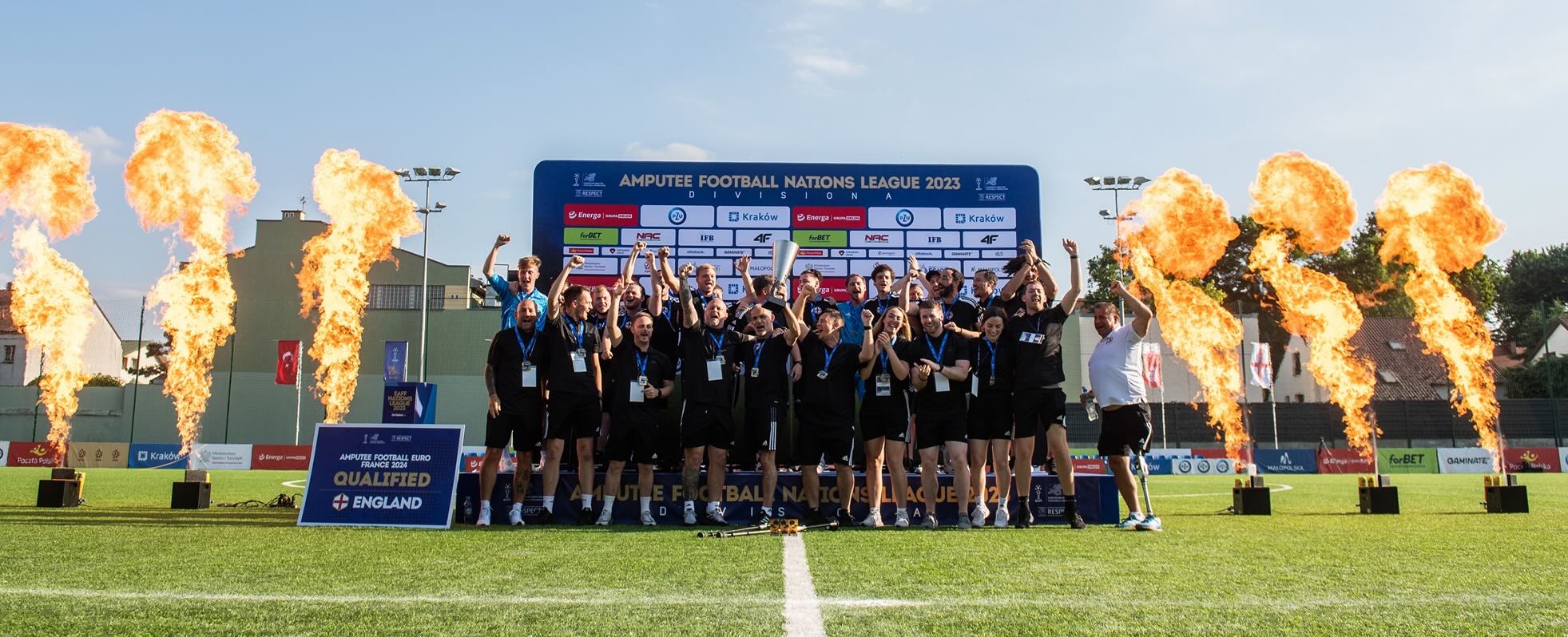
England celebrate winning the Nations League
At no point did we talk about winning it, or about beating Turkey, Poland or Spain. Not once. We talked about what was in our hands: executing our gameplan and being in Lion Mode, both on and off the pitch. That’s exactly what the players did.
The following year, we reached the semi-finals of the European Championships in Evian, France, finishing fourth after losing the third-place play-off 1-0 to Poland.
I eventually stepped down from my role in December 2024, because both my daughters play football and the commitment would have meant me missing out on being part of their journeys.
What clubs can take from it
You don’t need full-time players or a big budget to build a winning environment. These are the things I’d want any coach or Academy Director to take away from our experience:
1. Culture takes time. It doesn’t happen overnight. It took a long process to get us to that point and it started before I was Head Coach. Respect the work that came before you and build on it.
2. Belonging is built daily. It’s in how players are treated every day, how you speak to them and how you address them. Honesty and clarity matter more than any speech.
3. Togetherness comes from a shared vision. I’m not daft enough to think every player will like each other or be best friends. But if everyone buys into the same vision, that’s massive.
4. Make it about the process, not the result. When everything is about winning – you get a series of ups, downs and frustrations. When it’s about executing what’s in your control, the mentality changes completely. That’s when the shared vision really takes hold.
We never set out to win the Nations League. We set out to be a team that knew exactly who it was. The trophy followed.
- Scott Rogers BEM is a former England Amputee Head Coach. He spent 20 years in Academy football at Blackburn Rovers, Accrington Stanley and Wigan Athletic, alongside 20 years as a PE teacher, and now gives talks on leadership and culture. He is writing a book about his leadership journey.
Follow Us
For latest updates, follow us on X at @ground_guru