Fredrik Söderberg: Why AIK split the Sporting Director role in two
Written by
Simon Austin
February 2, 2026
AIK Chief Executive Fredrik Söderberg has explained how the club split the Sporting Director role in two because “today’s football is significantly more complex than before.”
Söderberg was responding to the inaugural column from Daunté Crawford on TGG exploring why some clubs are transitioning from the ‘unicorn’ Sporting Director to leadership teams.
Swedish top-tier side AIK made this switch themselves in April 2025.
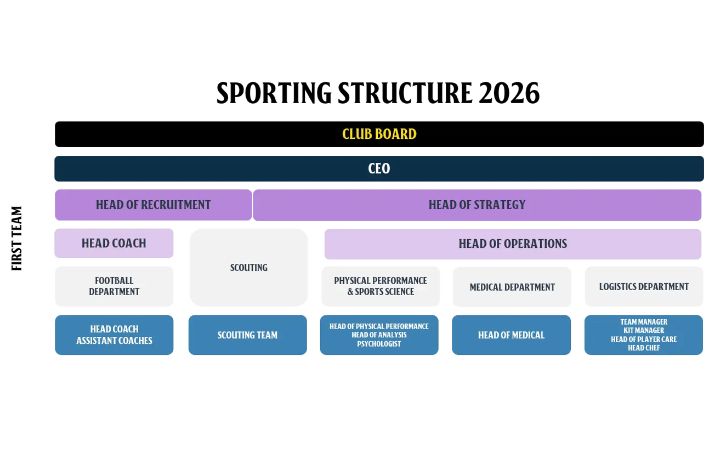
Their Sporting Director Thomas Berntsen, who had joined in April 2023 from Norwegian side Sarpsborg, departed and was replaced by two people: Englishman Jeremy Steele, the Co-Founder of Analytics FC, who became Director of Football Strategy, and Finn Miika Takkula, who is Head of Recruitment.
Writing on LinkedIn, Söderberg explained: “In April 2025, AIK Fotboll carried out a restructuring of the Sports Director role. The analysis behind the decision is that today’s football is significantly more complex than before, which also affects senior positions.
“There are many skills that are expected of a Sports Director and it is basically impossible to find an individual who masters the entire spectrum.
“Of course, there should always be the opportunity for further training internally, but the role/ function is completely business-critical for a football club and in a context where the evaluation of long-term thinking is far too short-term, the results are crucial.”
Söderberg said the following attributes were required of the modern Sporting Director, which were too much for one person:
- be a skilled negotiator
- implement, manage and follow up the club’s sporting strategy
- identify the talent, potential and quality of footballers
- have a high level of financial and legal competence
- build relationships with clubs, agents and players
- be a good leader and manager towards staff and playing squad and handle any personnel matters
- understand the value of and have the ability to analyse data about the game and players
- be a good communicator and an ambassador for the club’s sporting direction
Söderberg said Crawford’s column “describes well the development in football and the future of the classic Sports Director role.” You can read the column HERE.
This content is for TGG Members
Join up today and get access to:
- All articles: news, interviews, analysis
- Masterclasses & Online Conferences
- Full Academy Productivity Rankings
- Club Directory: 1,000+ staff profiles
- Personal Profile Builder
- TGG Live 2024 & 2025 presentations