Damian Hughes: The microhabits that drive high performers
Written by
Damian Hughes
December 12, 2025
Modern sport has never been more complex. Tactically, physically, psychologically – the demands on players and staff escalate every season.
Yet one truth remains unchanged: it is not always the biggest ideas that shift performance. Often, it is the smallest habits.
Across six years of co-hosting the High Performance Podcast and interviewing some of sport’s finest players, coaches and support staff, I’ve spotted a consistent pattern: the elite aren’t separated by talent alone. They are separated by tiny, repeatable behaviours – the things they do when no one is watching, especially on the hard days.
These microhabits reveal something essential about what it now takes to succeed. They show how leaders influence dressing rooms, how elite athletes shape identity, and how cultures transform, one behaviour at a time.
Some of these microhabits, featured in a new book of the same name, combine practical experience with validated science that anyone can learn from and adopt. Three of these habits, introduced by Sir Alex Ferguson, Jürgen Klopp and Sarina Wiegman, are simple enough to understand, small enough to adopt and quick enough to work.
Become a TGG Member and get all our Webinars & Masterclasses, Personal Profile Builder, Club Directory, Academy Rankings and much more. Click above or below to find out more.
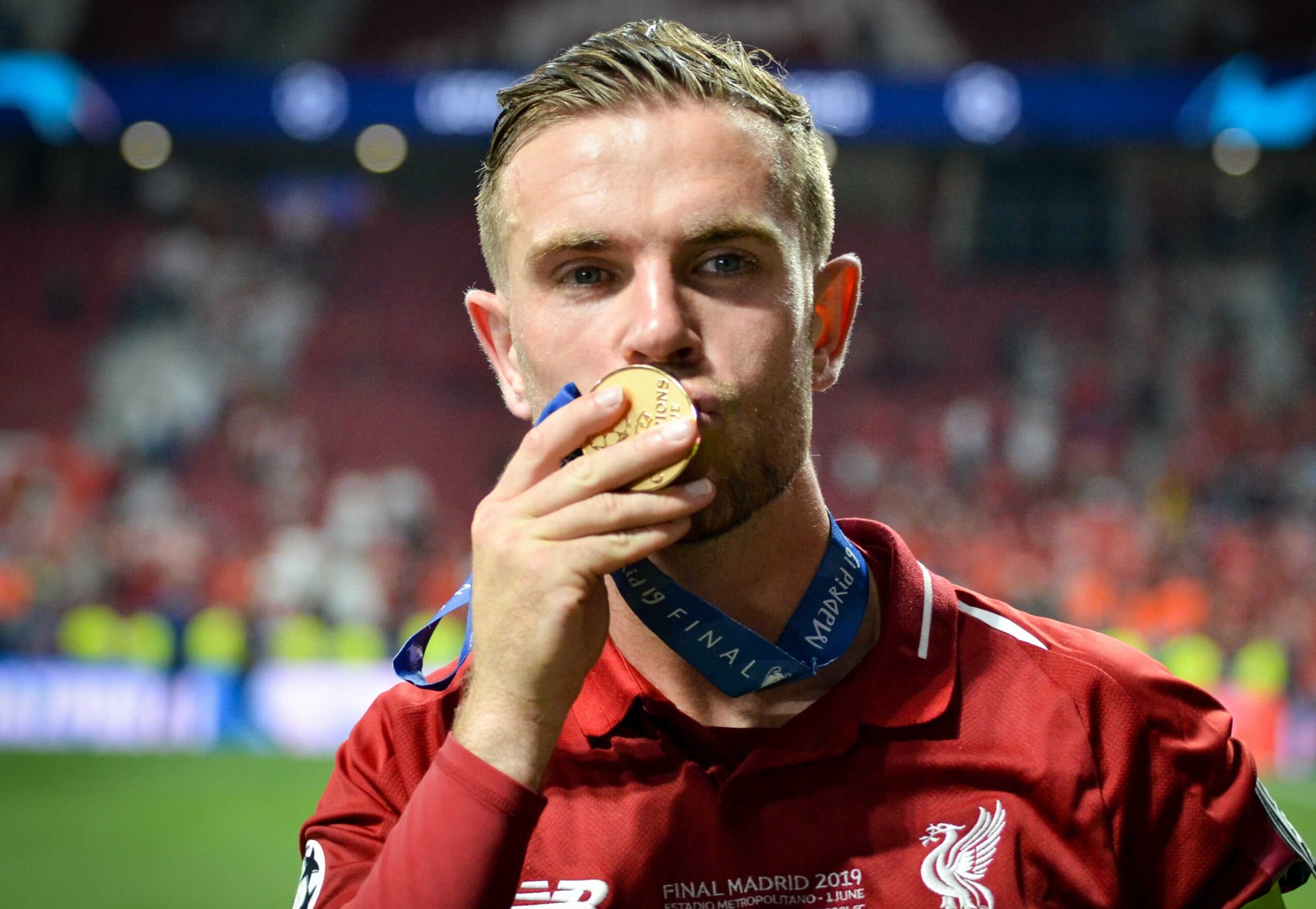
Jordan Henderson – Dealing with dissenters
Jordan Henderson shared a powerful example of something every coach recognises: the quiet grumble.
When Jürgen Klopp arrived at Liverpool, he tried to change the team’s training times. “For most of our career we would train in the morning… Klopp believed that if the team were playing a match in the evening, training should replicate this.”
The reaction? Moaning. “The lads were coming in and felt a bit lethargic… a few of the lads pulled me aside and said, ‘Could we not have it earlier?'”
As captain, Henderson knocked on the manager’s door. “‘Gaffer,” I said, ‘a few of the lads are struggling with these later training times… is there any way we could train in the morning?'”
Klopp responded with curiosity. “Who has said that? Who is moaning about it?” Henderson refused to name names. After thinking, Klopp told him: “Tell them, if anybody’s got an issue with the training time, to come and tell me and speak to me directly.”
Henderson relayed the message: “If you want it that badly, just go and speak with him yourself.”
How many players followed through? “No one. No one ever went up.”
This anecdote offers a masterclass in handling moaning: acknowledge the complaint, but don’t indulge it. Invite accountability. Most noise dissolves when responsibility is required.
And the science backs it up. We grumble an average of 11 times a day, three of those before leaving the house. We complain for about 20 minutes a day – over 77 hours a year. Weekends? Even more.
Complaining is mentally exhausting; studies show chronic moaners feel more depleted than positive-minded peers. And when groups work together, whining becomes a bonding mechanism: one study found teams groaned 50 times an hour.
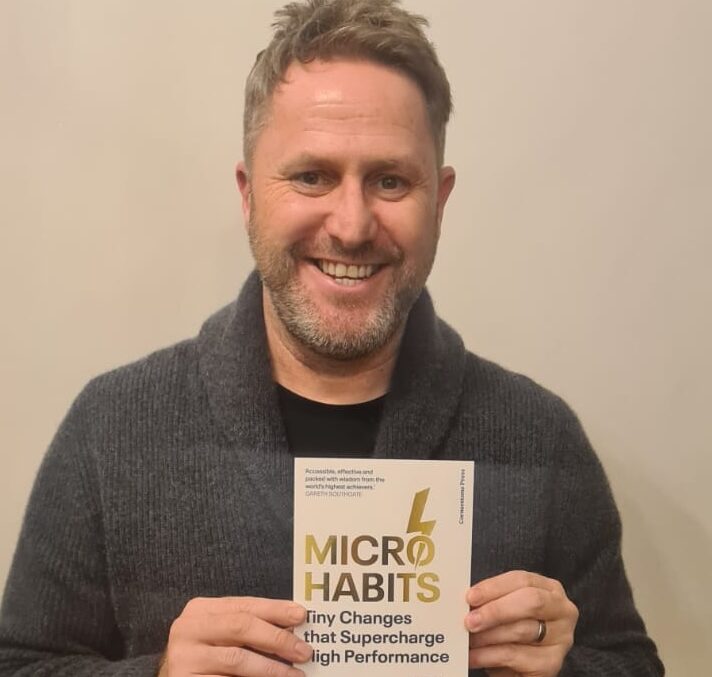
Microhabits: Tiny Changes that Superpower High Performance, written by Damian Hughes and Jake Humphrey, is available from 1 January 2026.
As psychologist Jeffrey Lohr puts it: “People don’t break wind in elevators more than they have to. Venting anger is… similar to emotional farting in a closed area.” Chronic complainers infect the environment through projective identification, unintentionally transmitting their pessimism to others.
Klopp intuitively understood this. His two-step method?
- Invite responsibility: “If it matters, come tell me yourself.”
- Steer the energy: Ask, “What do you want to be different?” to shift people from helplessness to action.
- The best leaders don’t suppress moaning; they transform it.
Sarina Wiegman – Attitude: Gratitude
When Sarina Wiegman led the Lionesses to victory in the 2021 European Championships before repeating it four years later, the support she received was enormous. Jill Scott explained how Wiegman embedded a small but powerful habit early in her tenure.
“She stopped us after one of our friendly games and said, ‘I didn’t really see people clapping the crowd before the game. We need to do that more and get them behind us.'”
This was different to the advice Scott and her team-mates had been given before. “We’d always been told, ‘Don’t play to the occasion.’ Wiegman was different.”
The effect was instant. “The crowds loved it and then we got more support the next game.”
When we put this to Wiegman, she explained: “When I was an international player, we were happy when there were 5,000 people coming to watch us. Now, the game has changed. We should be really grateful and happy.”
Gratitude strengthens resilience, lowers stress and improves performance under pressure.
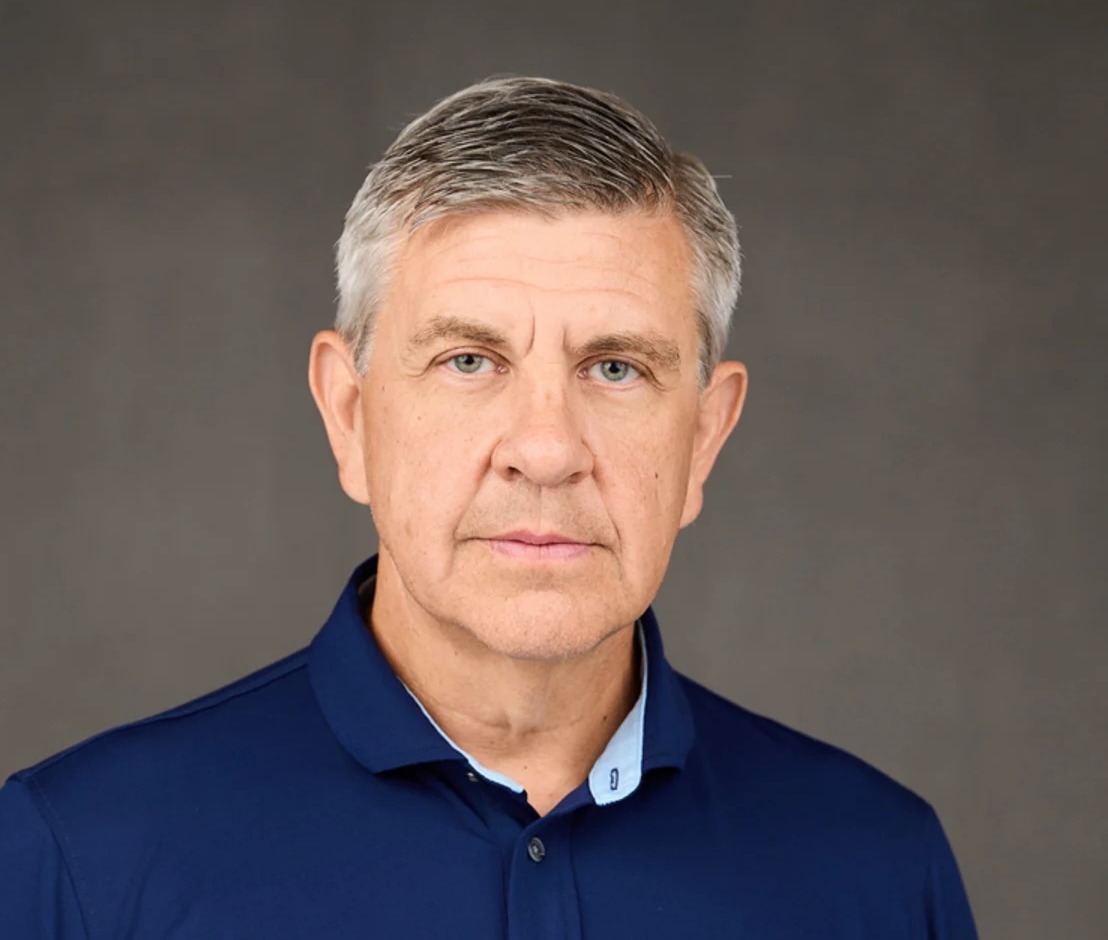
Professor Damian Hughes
Players worried she’d see waving as a lack of focus. She reassured them: “I know you’re such professionals that when you go out there you wave and then you start your warm-up – I’m not thinking you’re not focused on football.”
Her goal was to redirect attention from pressure to gratitude. ‘They felt a little uncomfortable… They had learned that we first have to perform, and then we can wave. I said, ‘Just turn it around.'”
The science backs up her approach. Gratitude strengthens resilience, lowers stress and improves performance under pressure. In one study, adults over 60 were split into three groups: one wrote gratitude messages, another wrote worries, and a third wrote neutral reflections.
When later exposed to reminders of mortality, only the gratitude group showed psychological ‘immunity’ against anxiety.
Wiegman’s request wasn’t symbolic; it was strategic. “You play at the highest level and it’s an absolute privilege that you’re allowed to play for 80,000 people. We had better enjoy it.”
Andy Cole – We not me
Andy Cole recalls how he was educated on life at Manchester United weeks after joining. Before that, his focus was singular: scoring. Brian Kidd, Sir Alex Ferguson’s assistant, showed him another way.
“I remember he [Kidd] pulling me one day and saying to me, ‘Coley, if you think scoring 40 goals at this football club is good enough, you’re mad.'” Cole smiled as he recalled responding: ‘What are you on about? That’s what it’s about!’
Kidd was unphased. ‘It’s more than one individual scoring 40 goals and you running away celebrating while Manchester United finish second. It’s about you scoring goals to help your team win the Premier League or the FA Cup or whatever else we play in.’
With time, Cole understood. “I think my time at Newcastle was all about me scoring goals. At Manchester United, we played as a team. The team ethic is what we do and what everyone must buy into.”
He summarised the difference in two words: “It’s not about I. It’s about us. That’s it.”
This reframing – putting the team above ego – has been explored by psychologist Robert Cialdini. In experiments, he demonstrated that within teams, ego is often the greatest enemy. When people talk about their favourite club, they habitually choose one of two pronouns: ‘we’ or ‘they’. And the timing is revealing.
After a win, people say, “We were amazing.” After a loss, they distance themselves: “They were poor tonight.” Cialdini called this the BIRG (Basking In Reflected Glory) and CORF (Cutting Off Reflected Failure) effects. We want to associate with success and detach from failure.
Cole would recognise the distinction, not least because of the effect it had on his trophy cabinet and his enjoyment of being part of a collective. “I enjoyed it all – the dressing room, the team ethic.” As he thought back to the Treble-winning side of 1999, he repeated the alchemy behind their success: “It’s not about me. It’s about us.”
Conclusion – Small Behaviours, Big Outcomes
The stories in Microhabits aren’t inspirational tales. They are case studies in practical behaviours that create competitive advantage.
At every level of the game, performance is converging and margins are shrinking. Physical preparation, tactical frameworks and sports science are near-universal. So where is the differentiation?
In the smallest behaviours.
Change the habit, and you change the player. Change the habits, and you change the culture. Change the culture, and you change the club.
Microhabits: Tiny Changes that Superpower High Performance, written by Damian Hughes and Jake Humphrey, is available from 1 January 2026.
Follow Us
For latest updates, follow us on X at @ground_guru